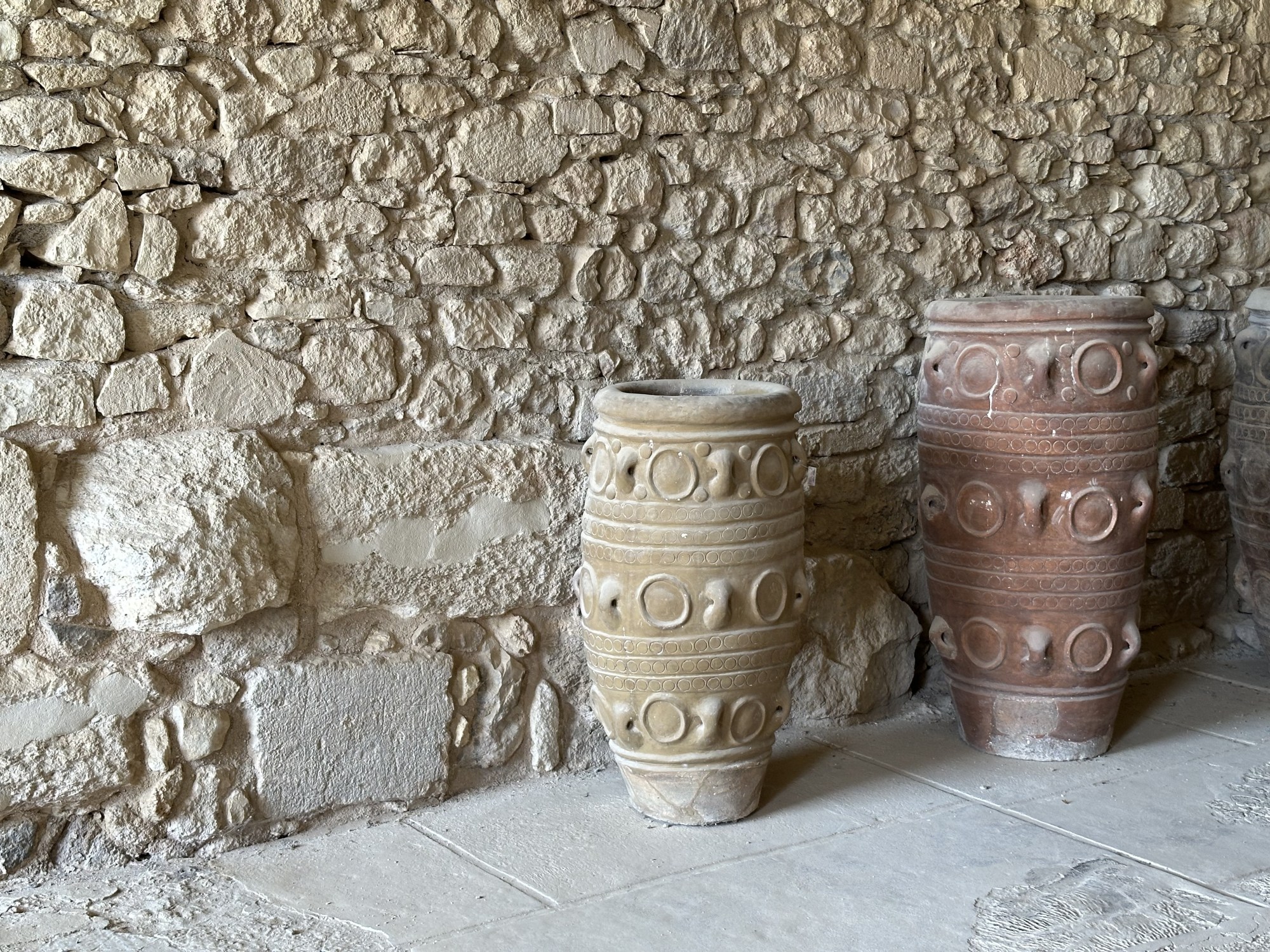
Heraklion, also known as Iraklion, is a port city and the capital of the Greek island of Crete.
Our first task when we disembarked was to find the local No. 2 bus that would take us to the Palace of Knossos. We found the bus quite easily paid for our daily ticket and boarded to start our journey. The bus travelled through the main park of Heraklion and gave us a glimpse of the busy streets. It took us about 20 minutes to get to the Palace.
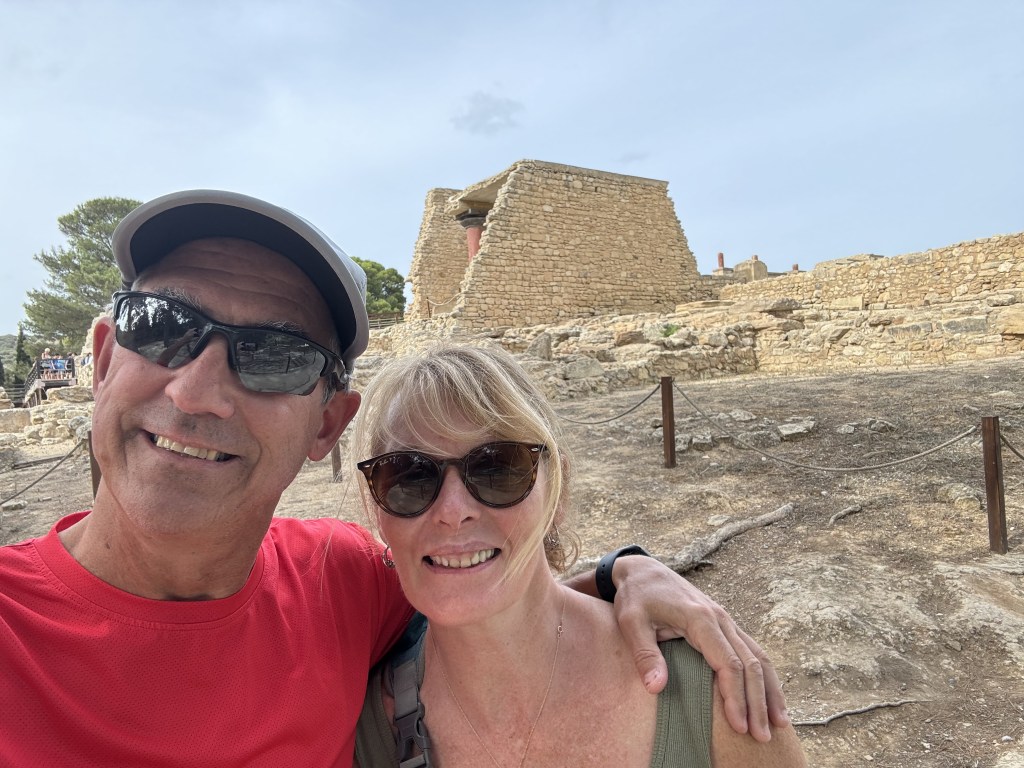
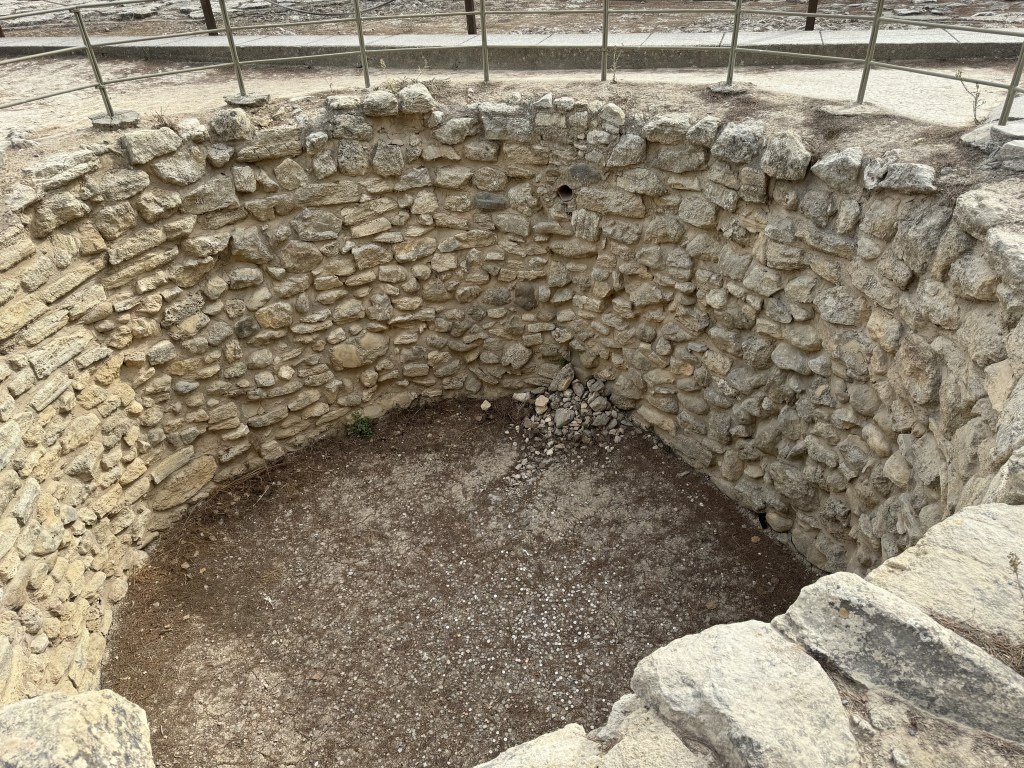
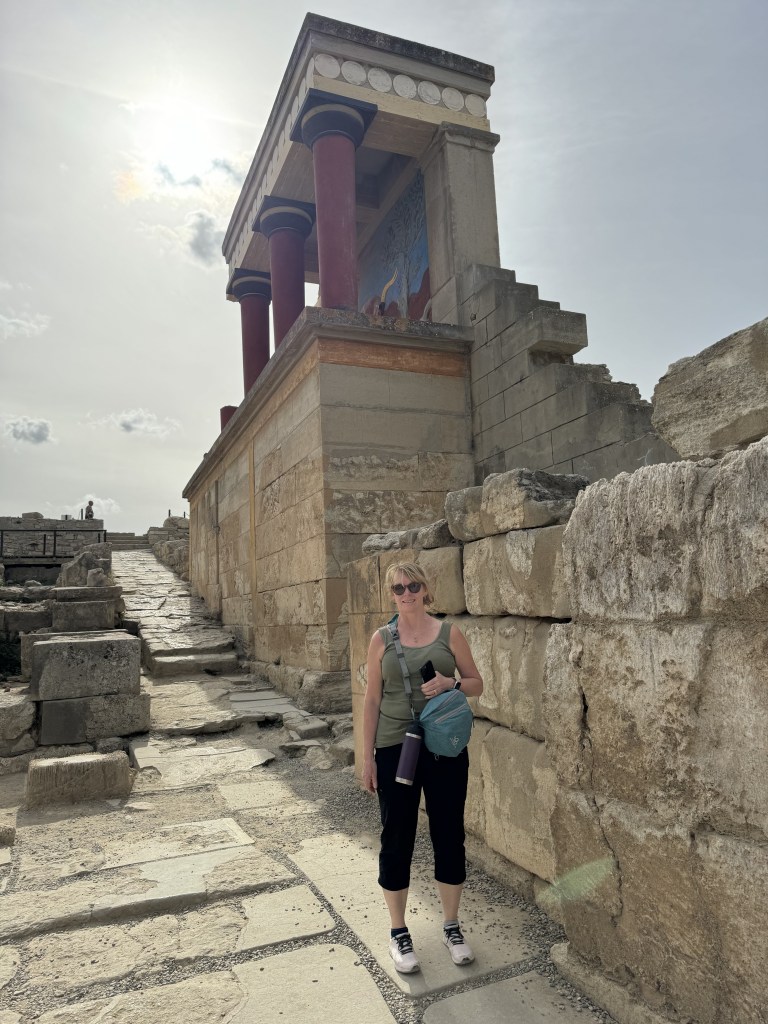
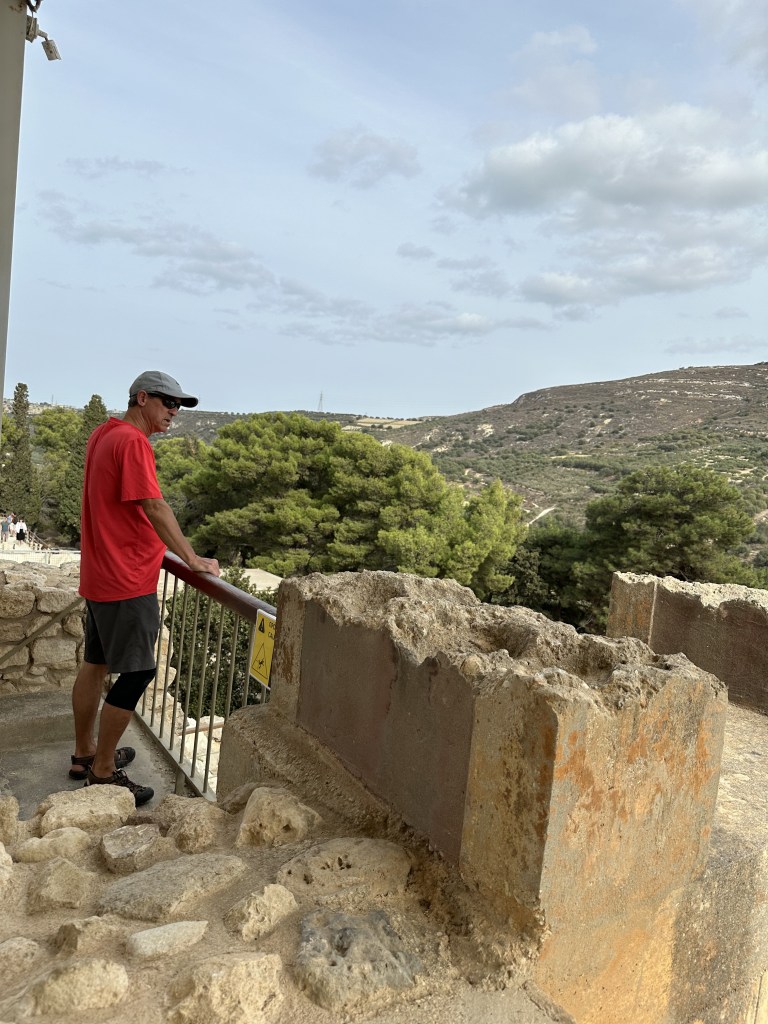
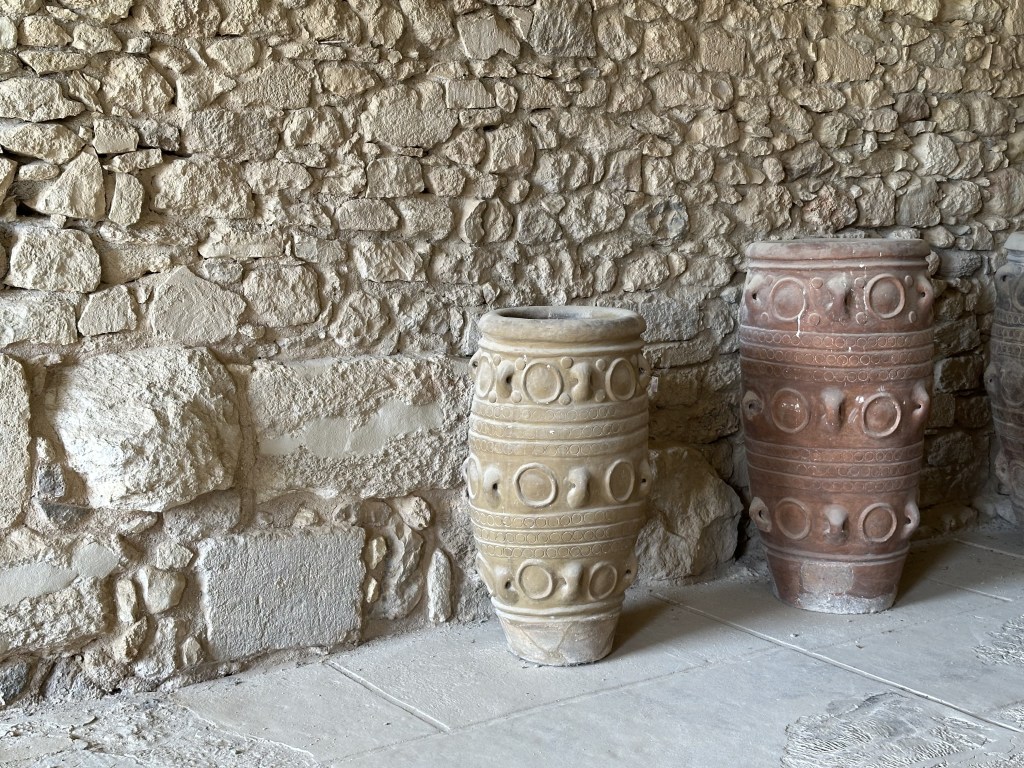
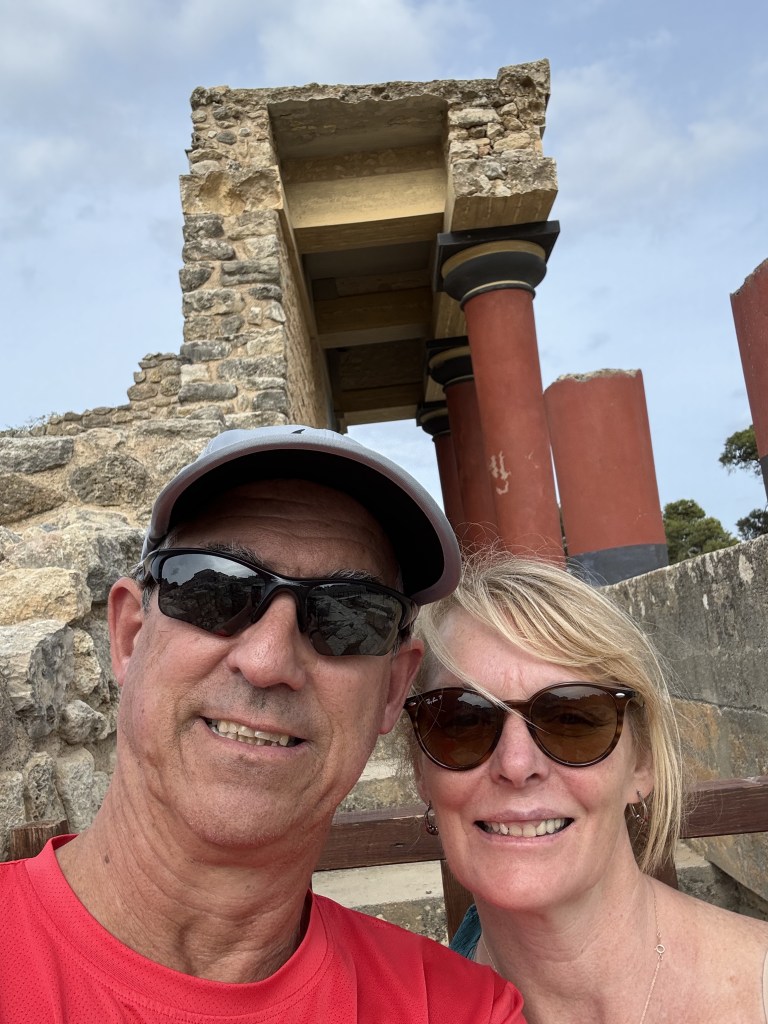
The palace of Knossos was first built during the Neolithic period, but it saw its greatest expansion during the Minoan period. Knossos was the largest and most important palace of the Minoan civilization. It is believed that this site dates back to 6000 BC and that it first was a small village before building of the palace began. The palace was a vast complex of buildings and courtyards, and was used as both a residence and a government centre. It is believed that the palace was destroyed by a volcanic eruption in 1450 BC, but much of its art and architecture has been preserved
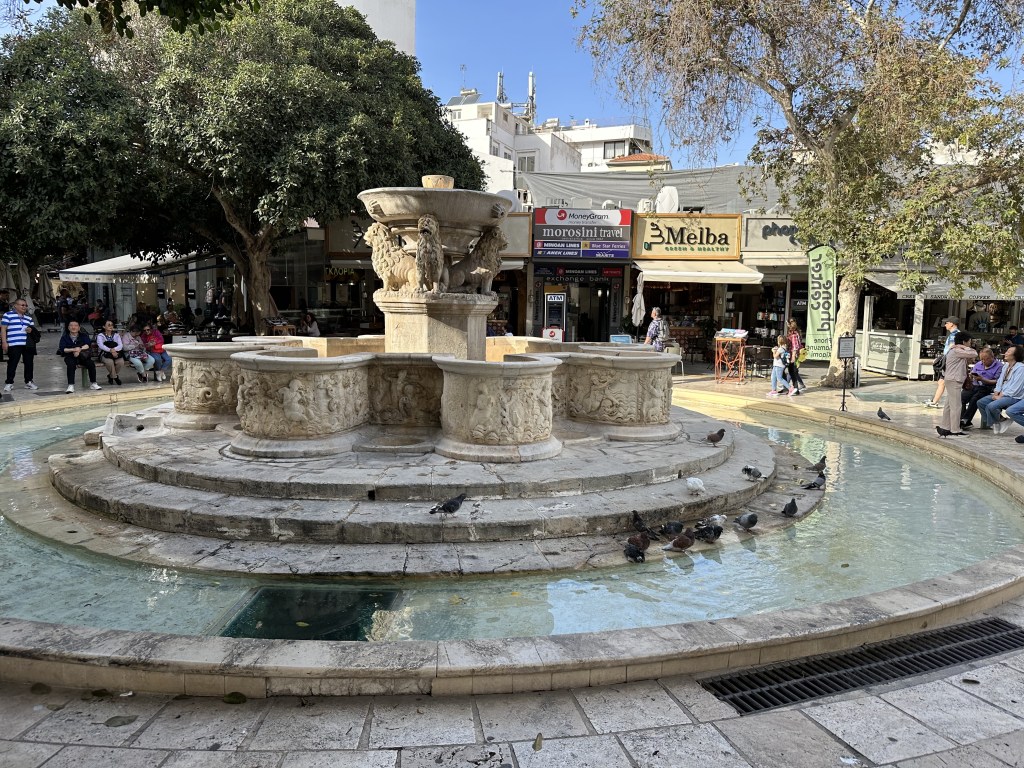
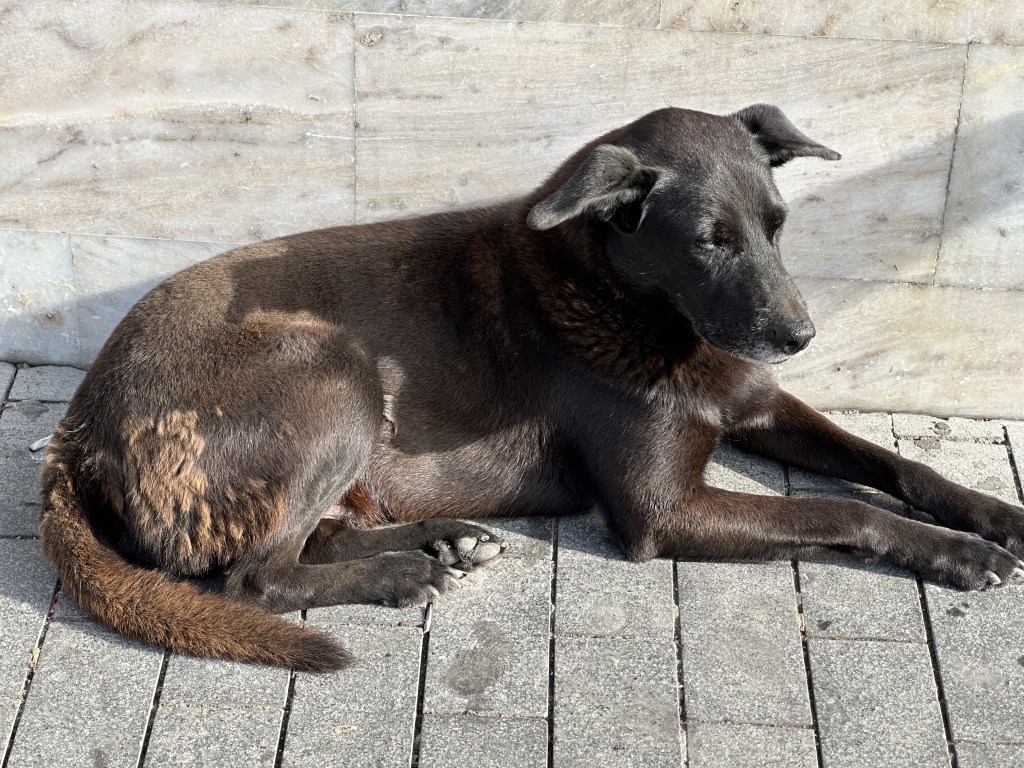
After touring the ruins of the palace we got back on the bus to go to the city centre. Here we explored the narrow streets, saw some of the fountains and made our way to the Lions Square where we sat and enjoyed some people and pet watching.

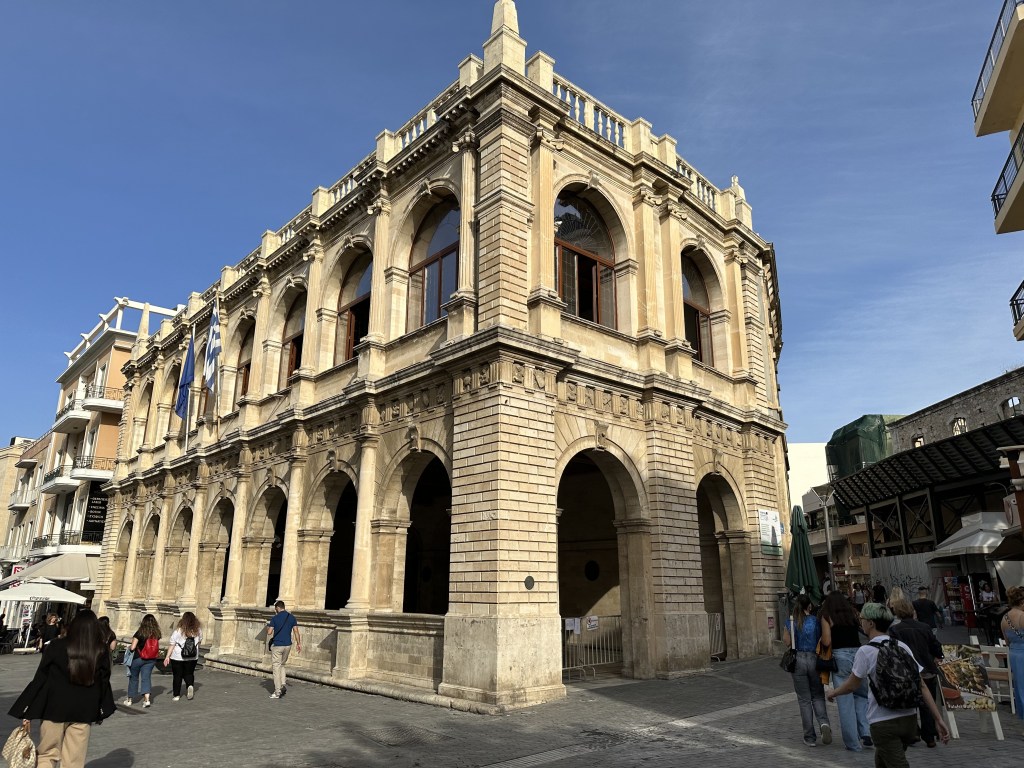
Next site was the Venetian Loggia built in 1620. The Loggia was a place for the Venetian noblemen to gather and discuss the local economic and social issues. It also worked as a Club, in modern terms. When the Turks conquered Crete, they made the Loggia their administrative center. When Crete became autonomous in 1898, the Loggia was in bad state and in desperate need of renovation. The renovation started in 1915 but was interrupted by the Second World War in 1940. Today, the Loggia has been fully renovated and houses the Town Hall.
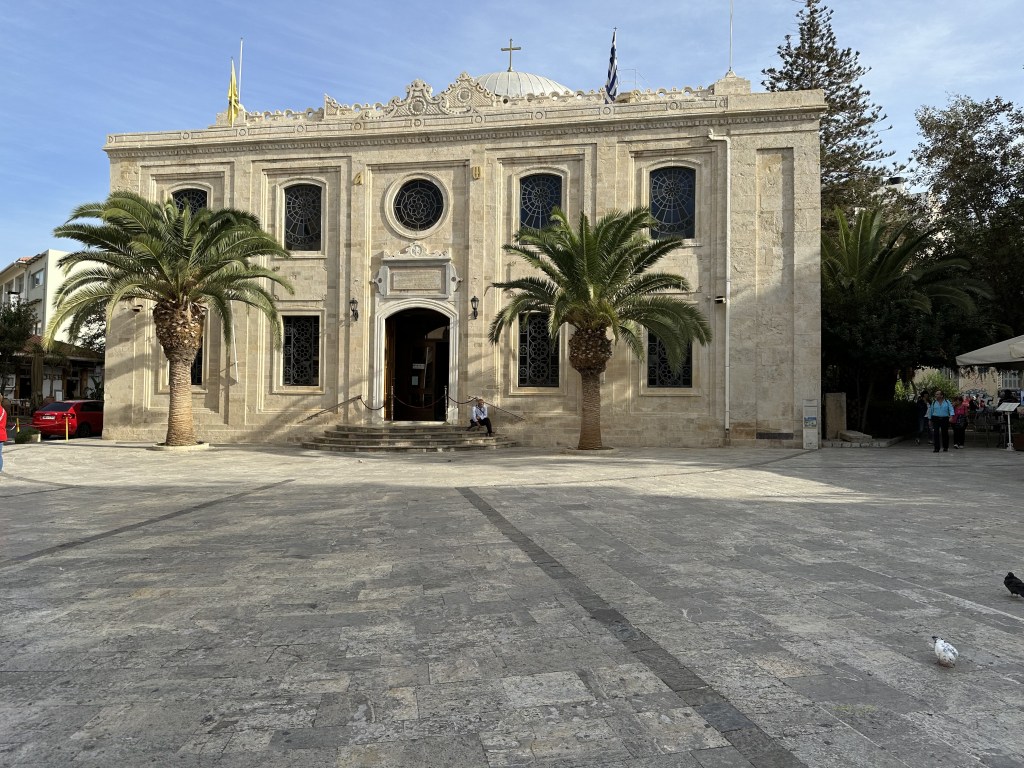
Continuing down the main pedestrian walkway we came to the church of Agios Titos. This majestic church dominates its palm-studded square it resides in. It was originally built by the Byzantines in 961AD and has been reconstructed several times over the years, with the same architecture, after being destroyed by earthquakes and fires. It has also served many different denominations – converted to a Catholic church by the Venetians, turned into a mosque by the Ottomans and finally in 1925 to an Orthodox church.
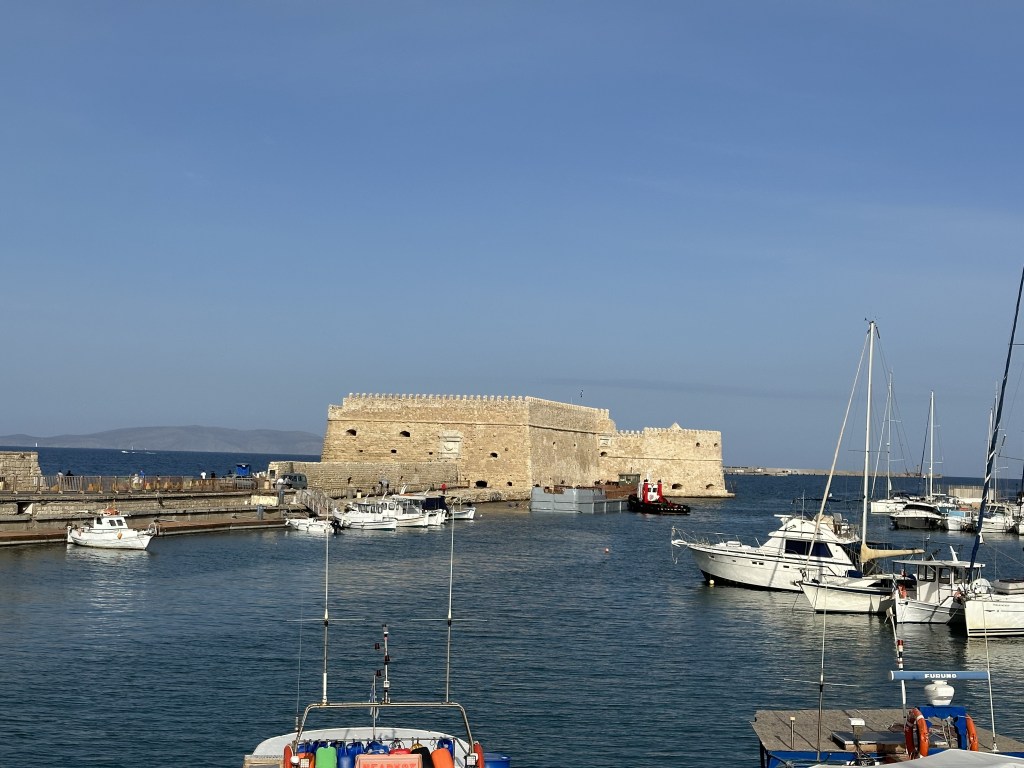
Our last site was the Venetian Fortress or the Koules – which is a fortress located at the entrance of the old port of Heraklion. It was built by the Republic of Venice in the early 16th century, and is still in good condition today.
 Baker Vacations